Hydraulic, Traction, Pneumatic or MRL: Choosing the Right Lift Technology
A plain-language guide to hydraulic, traction, pneumatic, vacuum and machine-roomless lifts, plus the components inside every system.
Overview
Choosing the drive system is the most technical decision in a lift project, so here is a plain-language guide.
Hydraulic options
A hydraulic elevator moves the cabin using fluid pressure. A hydraulic lift for home use is popular because the machinery is simple, a small hydraulic lift for home suits low-rise buildings, and hydraulic home elevators are common in villas. You will also hear the phrase hydraulic lift car for the cabin itself. A holeless hydraulic elevator reduces or removes the need for a deep pit. A roped hydraulic elevator combines a piston with ropes for smoother, longer travel.
Air and vacuum systems
Pneumatic elevators move a sealed cabin using air pressure. Gamers also search pneumaticcraft elevator, which usually refers to a game mod, but the real-world principle is the same. A vacuum elevator works in a similar way and needs no pit or machine room.
Traction drives
A traction elevator, also called a traction lift, hoists the cabin with ropes over a sheave. The elevator traction machine can be a geared traction elevator, which uses a gearbox, or a gearless elevator, where the motor drives the sheave directly. A gearless traction elevator is quiet and efficient in taller buildings. An electric elevator is the general term for any motor-driven system, and a 3phase elevator simply runs on three-phase power.
Machine roomless and pitless designs
A machine roomless elevator, also written mrl elevator or mrl lift, places the machine inside the shaft. A pitless elevator or pitless lift needs minimal floor excavation, which suits retrofits and any low rise lift.
Other mechanisms
A screw elevator, rack and pinion elevator, spiral elevator, magnetic elevator and continuous elevator each suit special applications. A vertical elevator is the standard form, while an inclined elevator, incline lift or diagonal elevator follows a slope. A sideways elevator moves horizontally as well as vertically in specialised systems, and single joint elevator is a phrase often used for a simple one-joint lifting mechanism.
What sits inside the system
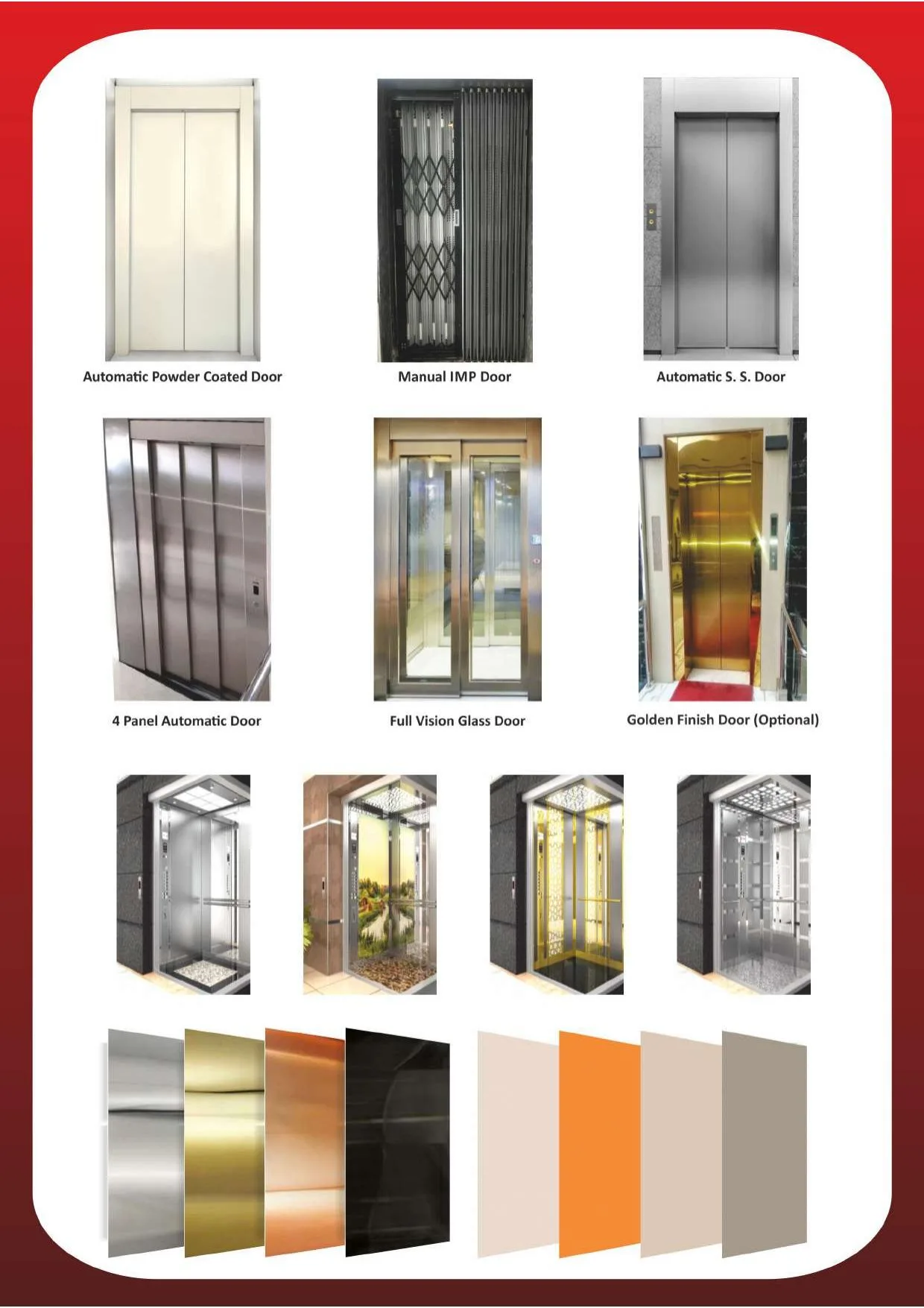
Every lift relies on elevator components: an elevator controller (also called a lift controller), a cabin, doors and safety gear. The floor lift car layout, the elevator floor finish, the elevator fan and the elevator platform all matter. A platform elevator uses an open platform instead of an enclosed cabin. Ask suppliers for their full elevator equipment list. Companies such as elevator equipment ltd or elevator systems inc supply parts, and standard elevator systems are the common building blocks. Searches for doppler elevator usually relate to physics examples. Stopping a car safely and calling for help involves an ard in lift, an automatic rescue device, and a lift alarm.
Talk to VDMIL
VDMIL can help you match the drive system to your building.
Have a question about your building's elevator needs?
Talk to Our Team