COMPARE
MRL vs Conventional Elevators
Both are proven, safe technologies - the right choice usually comes down to how much space your building can spare.
SIDE BY SIDE
Where They Actually Differ
Machine-room-less (MRL) elevators aren't a replacement for conventional traction systems - they're a different way of fitting the same job into a tighter footprint.
| MRL (Machine-Room-Less) | Conventional Traction | |
|---|---|---|
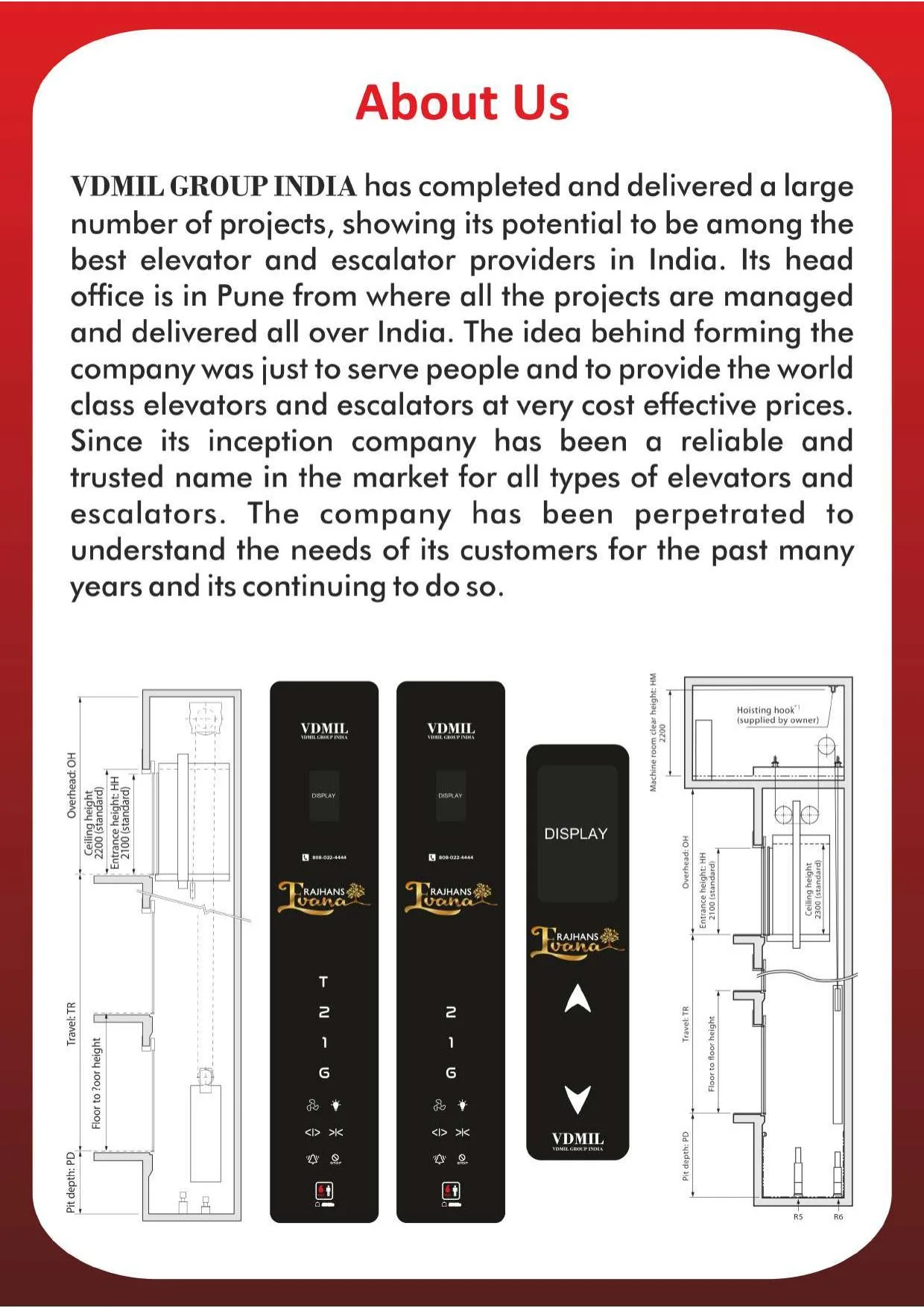
| Machine room | Not required - drive machinery sits within the shaft itself | Typically requires a dedicated machine room, usually above the shaft |
| Building space | Frees up the space a separate machine room would otherwise take | Machine room adds to the building's overall footprint |
| Retrofit suitability | A practical fit where there's no structural space to spare | May need extra construction work to accommodate a machine room |
| Passenger/load range (VDMIL) | 5 to 26 persons (340 kg to 1,768 kg) | Varies by system - see individual product pages |
| Shaft layout flexibility | Multiple cabin and entry width configurations available | Configuration options depend on the specific system |
WHICH FITS YOUR PROJECT
Choosing Between Them
MRL Often Makes Sense When...
Building space is tight, you're retrofitting an existing structure with no room to add a machine room, or shaft layout flexibility matters for your floor plan.
Conventional Traction Often Makes Sense When...
The building already has (or can easily accommodate) a machine room, or the project's specific load, speed or travel requirements point toward a different system entirely.