Where the MARINE LIFT Fits
Cabin and safety systems suited to onboard passenger movement.
Service and goods movement kept separate from onboard passenger areas.
Engineered for the marine safety and structural requirements of offshore installations.
Goods and passenger movement across port and terminal facilities.
MARINE LIFT Range
Passenger Elevators
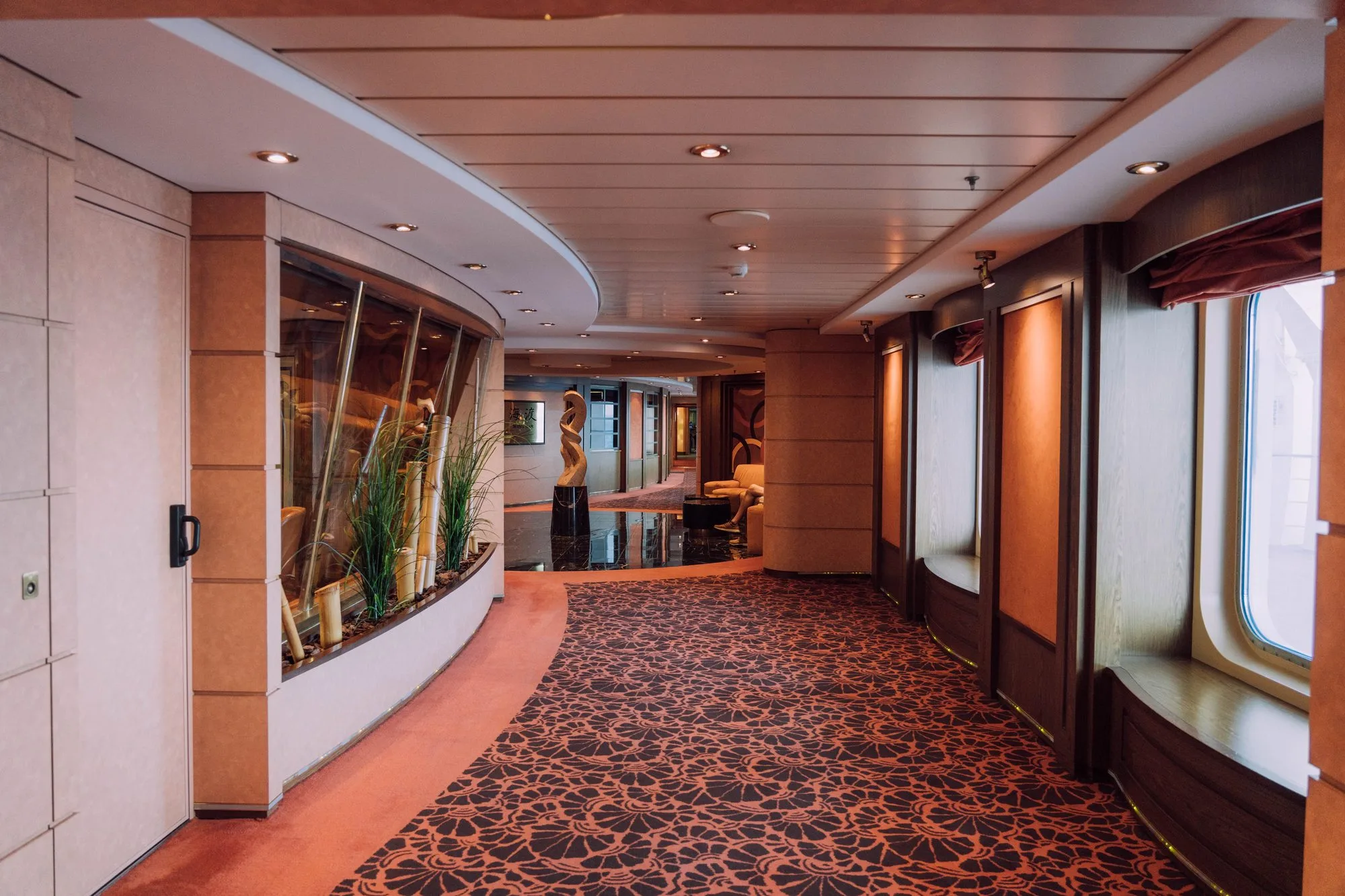
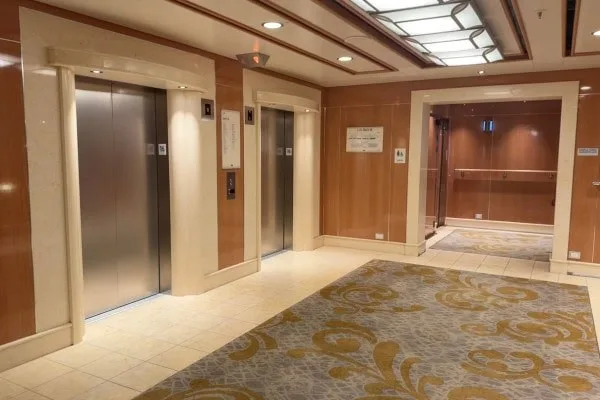
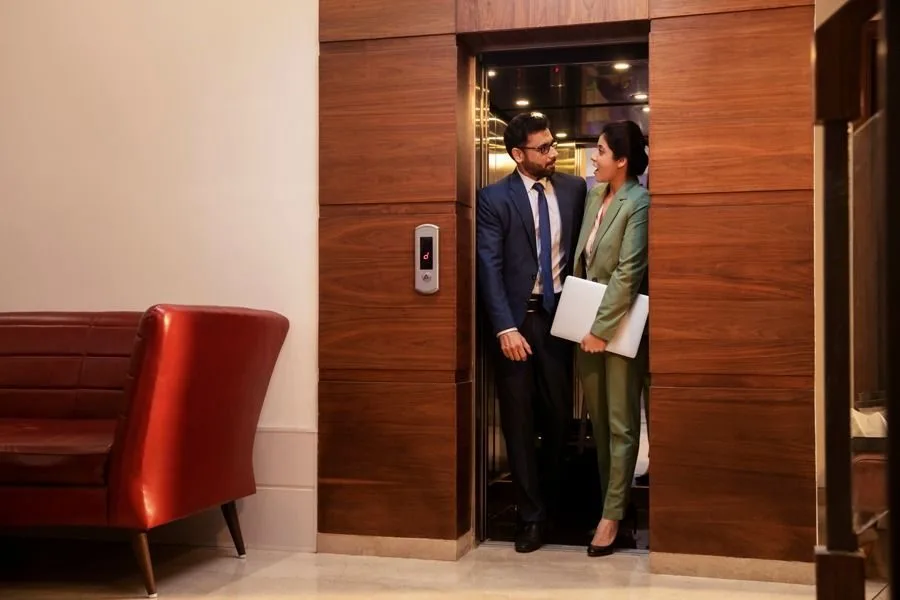
For guest-facing areas on cruise ships, ferries and passenger vessels - custom cabin finishes and a stable, motion-compensated ride matched to the vessel's interior design.
Crew & Goods Elevators
Built for galleys, service corridors and cargo movement - rugged construction for continuous heavy use where reliability matters more than finish.
Marine Escalators
Engineered for continuous onboard passenger flow with the corrosion resistance and motion tolerance a standard building escalator isn't built for.
Goods & Freight Platforms
For moving heavier cargo, supplies and equipment between decks - built to marine-grade construction standards for reliable heavy-load service.
Dumbwaiters
A compact freight lift for moving smaller loads - meals, supplies, documents - between galleys and service areas without occupying passenger space.
Accessibility Platforms
Space-efficient platform lifts for onboard accessibility, built to the same corrosion-resistant, motion-compensated standard as the rest of VDMIL's marine range.
Engineered to Move With the Ship, Not Against It
Marine elevators serve two very different worlds on the same vessel - passenger areas that need to match the ship's interior design, and crew, galley and cargo areas that need to survive round-the-clock heavy use. VDMIL's marine range is built around that distinction, not a single generic lift adapted for shipboard use, and engineered to align with ISO 8383 - the international standard written specifically for lifts on ships, distinct from the building-elevator codes a standard lift is designed to.
Cabin Finishes Built to Match the Space
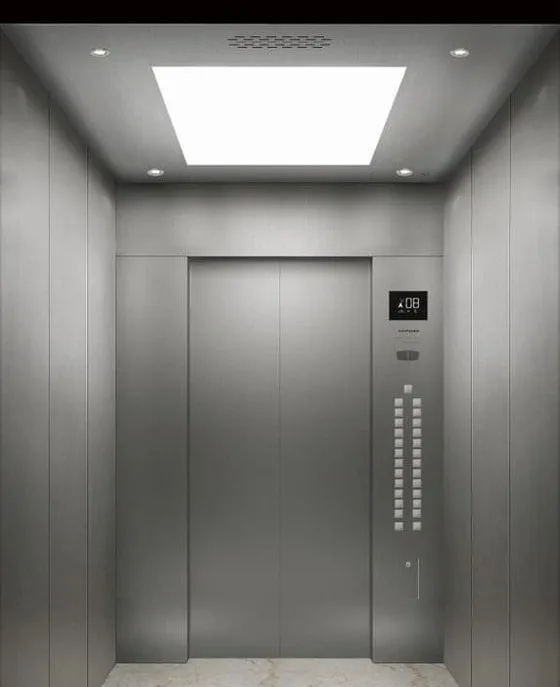
Passenger-area and crew-area marine elevators are built to different priorities. A passenger elevator is judged on ride quality and finish - it has to feel as considered as the rest of the ship's interior. A crew or goods elevator serving galleys, service corridors and cargo holds is judged on durability and uptime under continuous heavy use, where finish matters far less than reliability.
- Passenger-area cabins: custom interior finishes to match the vessel's design language
- Crew & goods areas: rugged construction built for continuous service-area use, not passenger comfort
- Marine-grade stainless steel and hot-dip galvanized construction throughout, for salt-air corrosion resistance
- Motion-compensated engineering in both categories, for stable operation under roll, pitch and heave
Specifications at a Glance
Custom cabin finishes and smooth, motion-compensated ride quality for guest-facing installations
Rugged, low-maintenance construction built for galleys, service corridors and cargo movement
Corrosion-resistant marine-grade stainless steel, with hot-dip galvanized options for exposed structural components
Motion-compensated engineering keeps operation stable under a vessel's roll, pitch and heave
Machine-room-less (MRL) configuration conserves space that's always at a premium onboard
VVVF inverter, microprocessor-based control tuned for smooth operation despite constant vessel motion
*Final specifications, capacities and finishes are configurable to your project requirements.
Our Installation Process
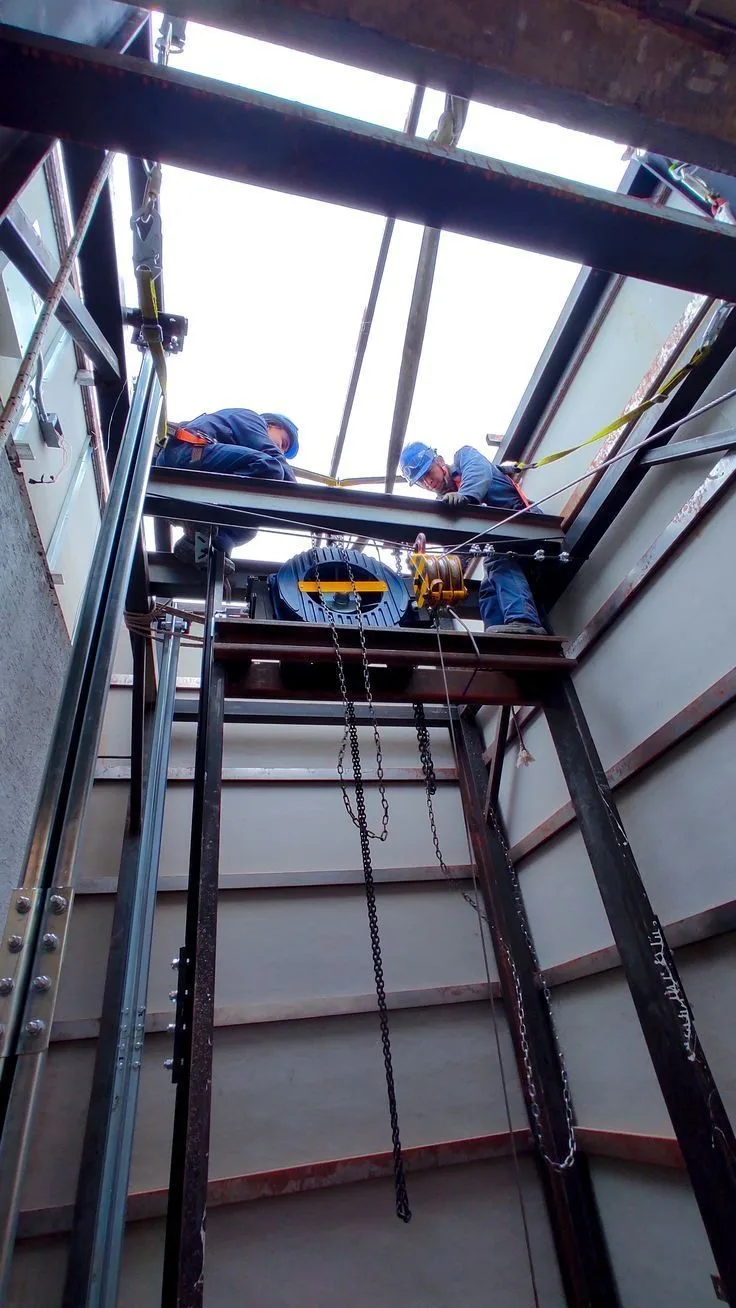
Our engineers assess the available shaft space, structural points and power supply on the vessel or platform to finalize a layout that fits the constraints of a marine structure, not a building.
Components are engineered in marine-grade materials and fabricated to the finalized specification before dispatch.
Certified technicians install the car, rails, controller and sealed electrical wiring suited to a marine environment.
Full load testing and safety inspection are completed before handover, referencing the relevant marine lift standard (ISO 8383) alongside the vessel's own classification society and flag-state requirements.
Sensible Safety, Security & Energy-Efficient Features
- Emergency braking & overload protection across both passenger and crew/goods installations
- Motion-compensated operation for stability at sea
- Corrosion-resistant construction, hot-dip galvanized options
- Optional explosion-proof configuration for hazardous zones
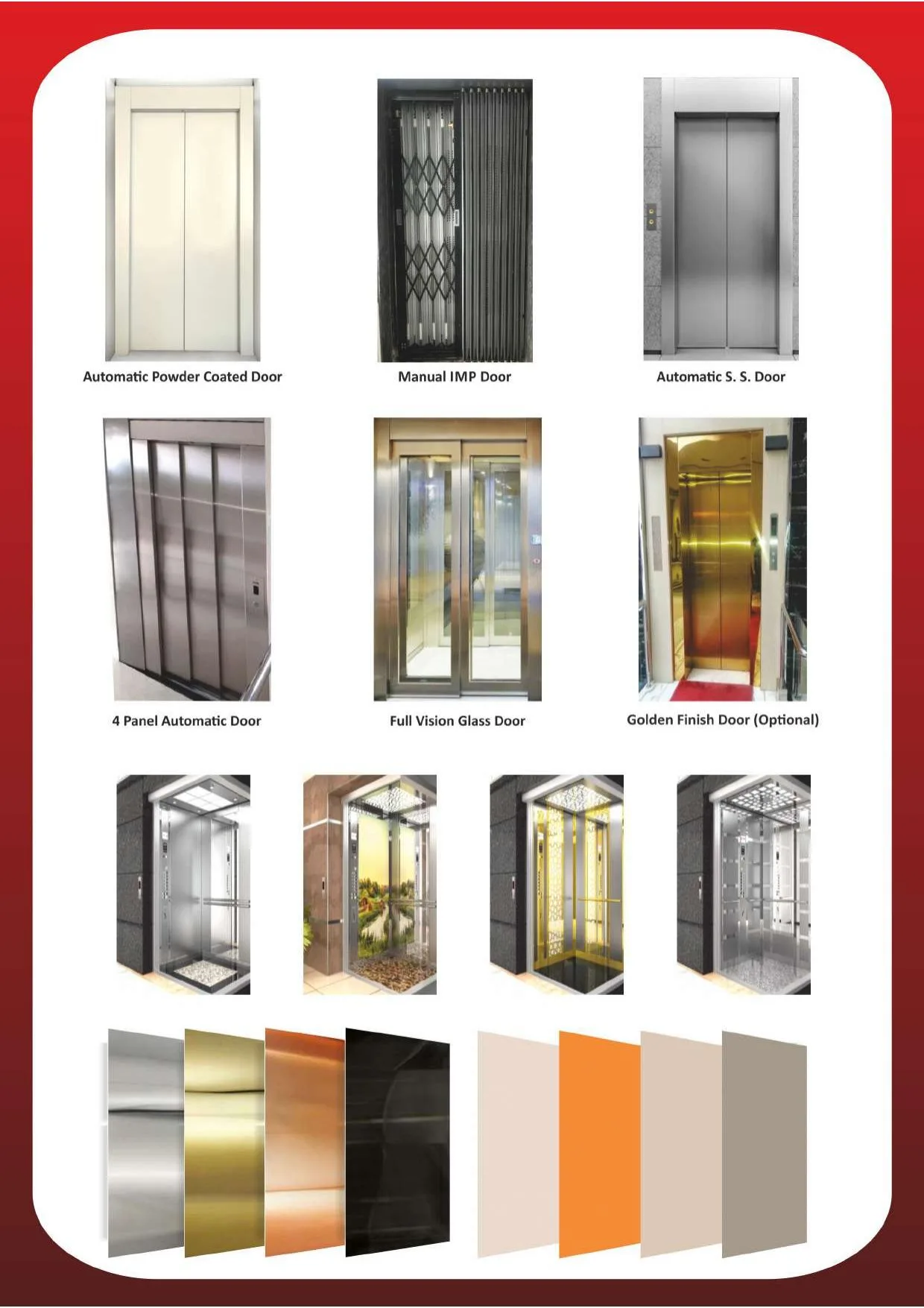
Trend Based Cabin Design
Select a finish to preview it. Final finish and material are confirmed at project stage.
DE-01
S.S. design ceiling with mirror car wall
Frequently Asked Questions
Does this meet classification society requirements?
The range is engineered to ISO 8383, the dedicated international standard for lifts on ships (a different code from building-elevator standards), and built to the documentation and construction requirements classification societies such as DNV, ABS, Lloyd's Register, RINA and ClassNK look for when surveying a vessel. Final class approval is always issued by the classification society itself as part of the vessel's own survey, not by VDMIL.
Where does SOLAS fit into this - is the elevator itself SOLAS certified?
SOLAS doesn't contain a single dedicated regulation for passenger elevators the way it does for lifeboats or fire systems - shipboard lift compliance is actually built from several sources together: SOLAS's general safety framework, the flag state's own requirements, and the classification society's specific guidelines for lifts on the vessels it classes. That's why ISO 8383 and classification-society alignment (see above) are the concrete standards a marine elevator is actually engineered and surveyed against, rather than a standalone "SOLAS certificate" for the lift itself.
How is a marine elevator different from a standard building elevator?
Construction uses reinforced steel and marine-grade stainless steel specifically to resist saltwater corrosion and constant moisture - a failure mode standard building elevators are never designed against.
Does the ship's motion affect the ride?
Motion-compensated engineering keeps the cabin riding smoothly even as the vessel rolls, pitches and heaves, rather than transmitting that movement directly to passengers.
Is there an option for hazardous zones on offshore platforms?
Yes - explosion-proof configurations are available for offshore platforms and vessels carrying flammable cargo.
Contact Our Team
Share your building requirements and our team will recommend the right configuration for your project.
VDMIL, Installed and In Use
Real footage from real VDMIL installations - not renders, not stock photography.
Mirror-Finish Cabin Interior
A walkthrough of a VDMIL stainless steel cabin, from vision-panel doors to the car operating panel.
Installed Hall Panel
A VDMIL hall call panel and etched-glass cabin door, installed on site.
Car Operating Panel
A closer look at the in-cabin control panel - floor buttons, alarm, intercom and light controls.
Car Parking Elevator
A VDMIL car-parking lift in use, from the control panel to the elevator car itself.
Gold Mirror-Finish Cabin
A newly installed VDMIL cabin with a mirrored gold finish and etched peacock motif, on site.
Goods Lift
A VDMIL goods lift designed for dependable movement of materials and equipment in commercial and industrial environments.