Hydraulic Elevators: When They Make Sense for Low-Rise Buildings
A practical look at where hydraulic lifts fit, what they need from the building, and how they compare with traction and MRL options.
How a hydraulic elevator works
A hydraulic elevator lifts the cabin using fluid pressure acting on a piston, with a pump and tank supplying the oil. The cabin descends by letting that fluid return in a controlled way. Because the drive is relatively simple, it has long been used in buildings with only a few stops.
Where hydraulic lifts fit well
They suit low-rise buildings such as small commercial premises, clinics, workshops, villas and buildings with a limited number of floors. They can also be a sensible choice when a heavy load must be carried a short distance, because the system handles load comfortably at modest travel heights.
What the building must provide
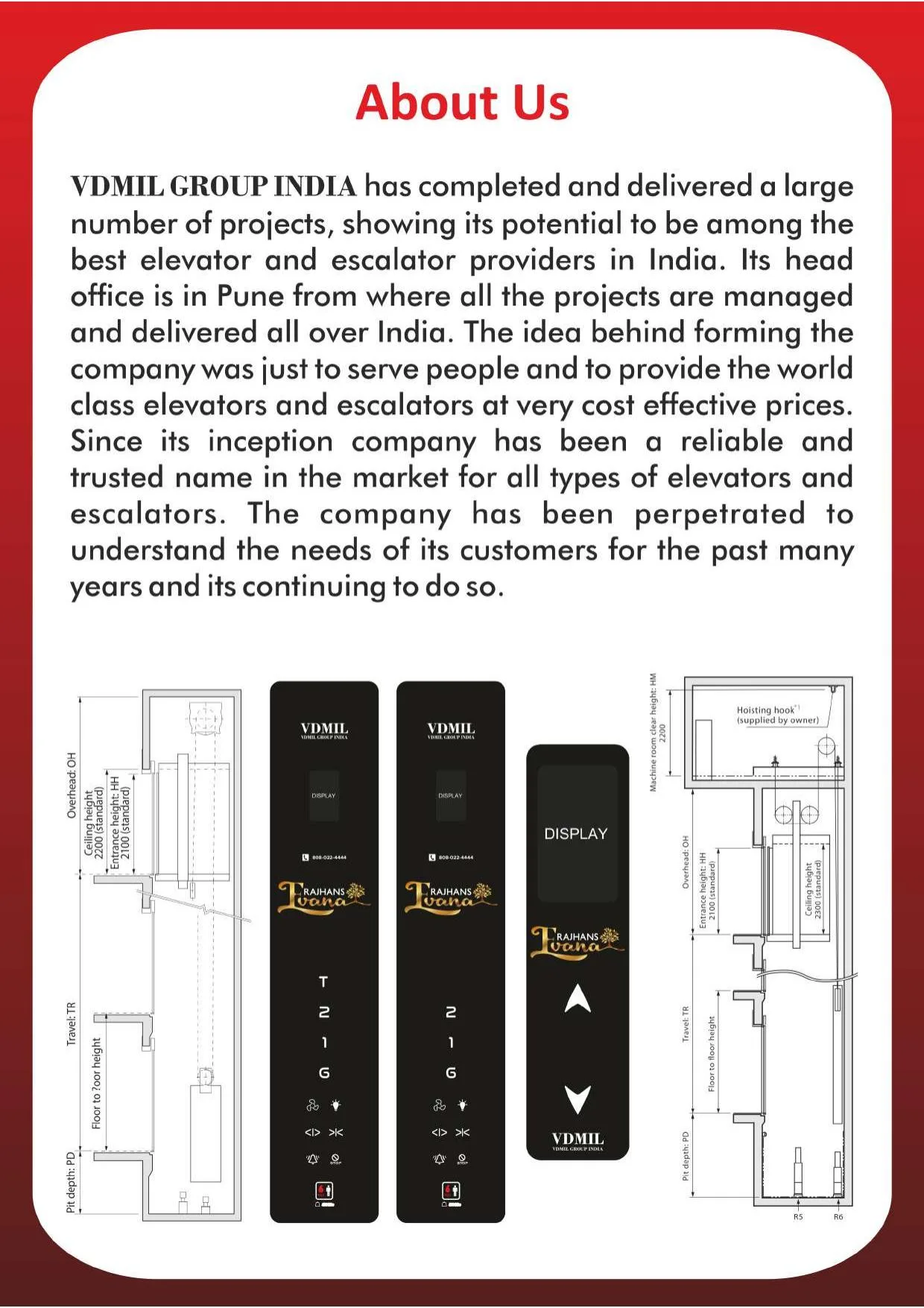
A hydraulic lift usually needs a pit for the piston and a space for the pump unit and control panel. Machine location is flexible compared with some other systems, but it still needs access, ventilation and a safe route for maintenance. Confirm these early with your architect.
Speed, travel and ride considerations
Hydraulic systems are generally associated with lower speeds and shorter travel than traction lifts. For a building with many floors or heavy passenger traffic, a traction or machine-room-less design is normally a better match. The honest question is whether the building’s height and traffic fit the technology.
Energy and maintenance points
Check how the system behaves in a power cut, how the oil is handled, and what routine checks the drive needs. Hydraulic equipment has its own maintenance needs, so ask for a clear service plan before you order rather than after commissioning.
Choosing between drive types
A fair comparison looks at number of floors, load, speed, available pit and machine space, and long-term service. VDMIL supplies hydraulic elevators alongside traction and MRL lifts, so the recommendation can follow the building rather than a single product. Write to info@vdmilgroupindia.com with your floor count and drawings for a site-specific view.
Frequently asked questions
When is a hydraulic elevator a good choice?
In low-rise buildings with few stops, or where heavy loads travel short distances.
What does a hydraulic lift need from the building?
A pit for the piston and a space for the pump unit and control panel, plus access for maintenance.
Have a question about your building's elevator needs?
Talk to Our Team