Elevator Pit and Overhead Dimensions: What Architects Should Confirm Early
A checklist of the shaft, pit, overhead and machine-space details that are cheapest to settle at design stage.
Why these dimensions decide the lift
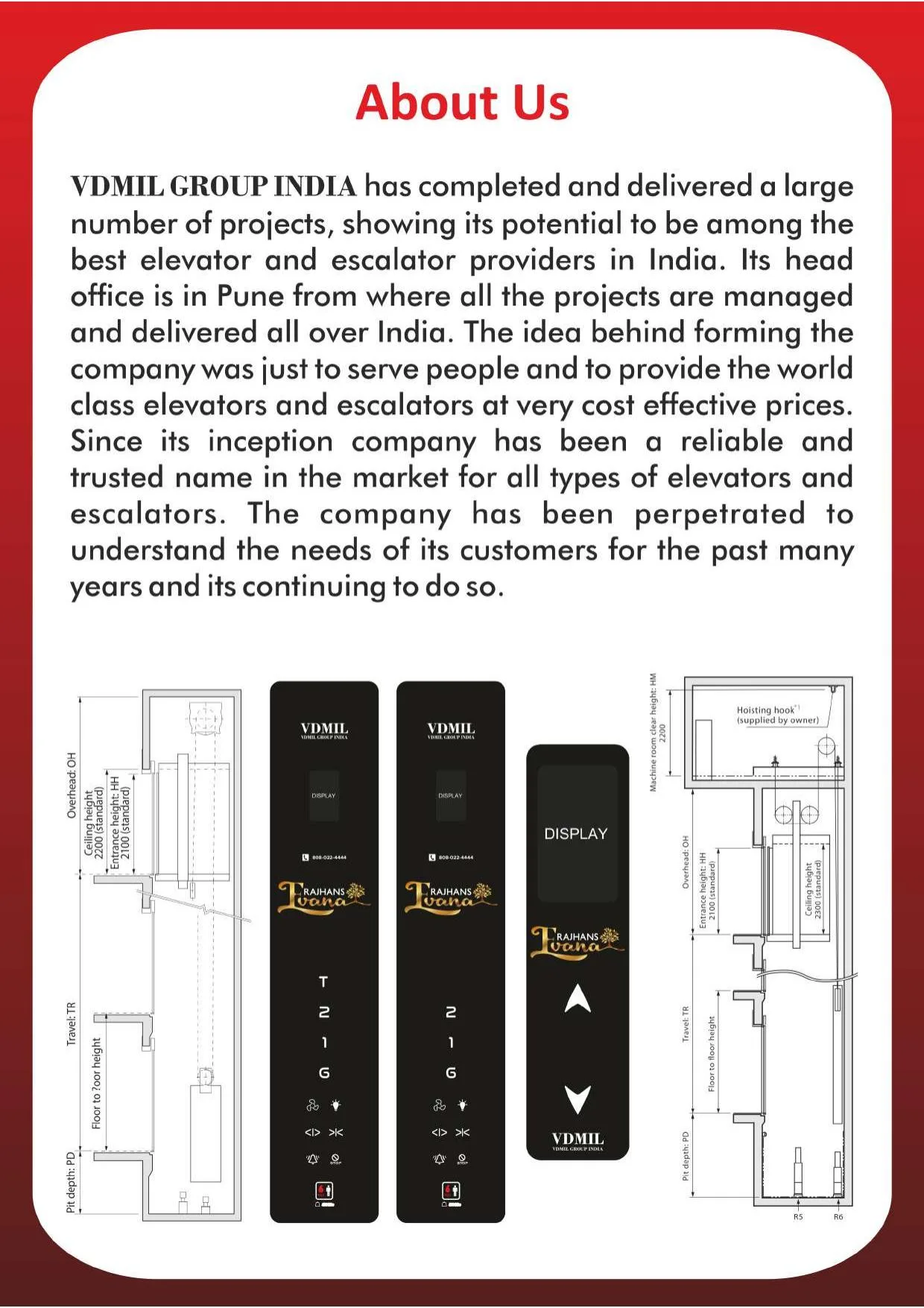
Capacity and speed get most of the attention, but the pit depth, overhead height and shaft width are what the building must physically provide. If they are too small, the choice narrows or the project needs expensive structural changes. Settling them early keeps options open.
Shaft width and depth
The clear internal size of the shaft determines the largest cabin and door arrangement that will fit, after allowing for guide rails, door equipment and working clearances. Give the supplier the clear finished dimensions, not the dimensions before plastering, and agree who is responsible for plumb and tolerance.
Pit depth
The pit holds buffers and gives safe space below the lowest landing. Required depth depends on lift type, speed and design, so ask the supplier to confirm it in writing before the foundation is finalised. A pit also needs to be kept dry, so plan drainage and waterproofing.
Overhead and machine space
The top of the shaft must allow for the cabin’s highest travel plus safety clearance. A machine-room-less design changes where equipment sits, while a conventional design needs a machine room with access, ventilation and power. Confirm which approach you are planning before drawing the roof level.
Landing doors and floor openings
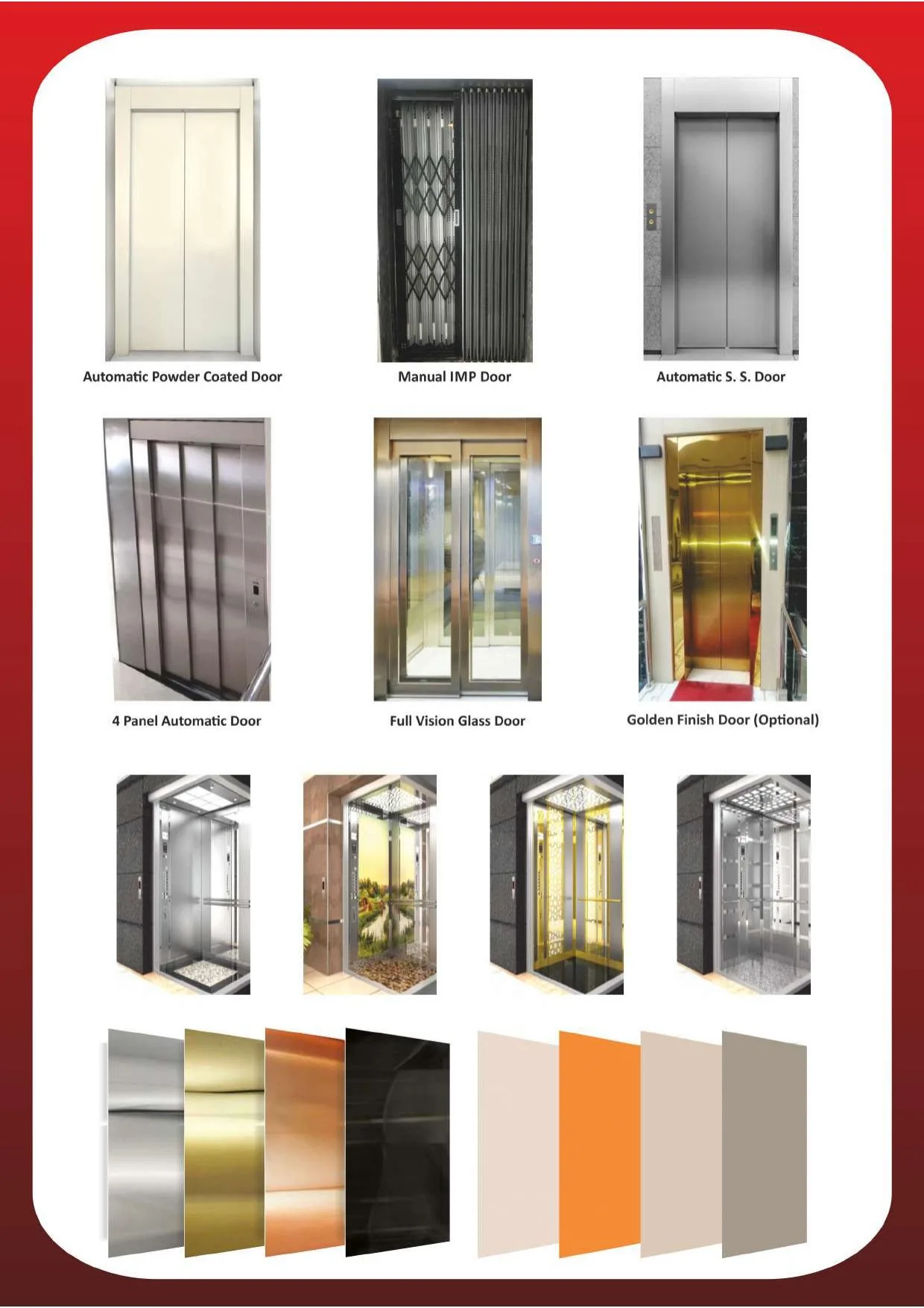
Door openings in the shaft wall must match the supplier’s dimensions, and the surrounding finish should be planned so the doors can be fitted cleanly. Check floor-to-floor heights too, since uneven levels complicate the door arrangement.
Get written confirmation
Ask for a drawing from the supplier showing the pit, overhead, shaft and loads before construction. To check your drawings against a proposed lift, send them to info@vdmilgroupindia.com and the VDMIL team can review the dimensions with you.
Frequently asked questions
What is the pit of a lift shaft?
The space below the lowest landing that holds buffers and gives safe working space.
Why confirm pit and overhead early?
They depend on speed and capacity and are expensive to change after construction.
Have a question about your building's elevator needs?
Talk to Our Team